The Child and Adolescent Mental Health Services (CAMHS) represent one of the most vital components of the UK’s healthcare system, providing essential mental health support to young people when they need it most. For mental health professionals considering their next career move, understanding CAMHS and its opportunities is crucial for making informed decisions about where to make the greatest impact.
Understanding CAMHS: The Foundation of Youth Mental Health
CAMHS is the NHS specialist mental health service dedicated to children and young people up to the age of 18 (and sometimes up to 25 for those with learning disabilities or autism). These services provide assessment, treatment, and support for young people experiencing mental health difficulties, from anxiety and depression to more complex conditions requiring intensive intervention.
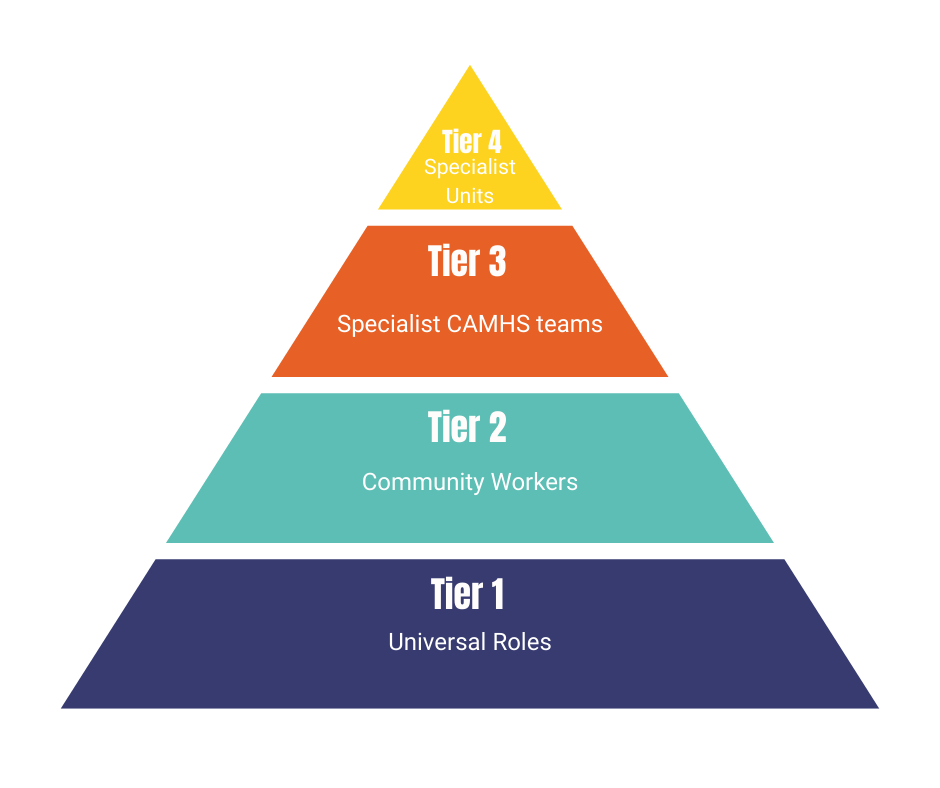
The service operates across multiple tiers, creating a comprehensive network of care that addresses varying levels of mental health needs. This tiered approach ensures that young people receive the most appropriate level of support, whether that’s early intervention or specialist inpatient care.
The Four-Tier CAMHS Structure
Tier 1: Universal Services
At the foundation level, Tier 1 encompasses universal services provided by professionals who aren’t mental health specialists but work directly with children. This includes GPs, health visitors, school nurses, teachers, and social workers. These professionals play a crucial role in early identification and basic mental health promotion.
Tier 2: Targeted Services
Tier 2 services involve mental health specialists working in community settings, primary care, or schools. CAMHS professionals at this level typically include clinical psychologists, counsellors, and psychiatric nurses who provide brief interventions and consultation to Tier 1 workers.
Tier 3: Specialist Community Services
The majority of CAMHS professionals work within Tier 3 services, which offer specialist assessment and treatment for more complex mental health difficulties. These multidisciplinary teams include psychiatrists, clinical psychologists, social workers, occupational therapists, and specialist nurses working together to provide comprehensive care.
Tier 4: Highly Specialist Services
Tier 4 represents the most intensive level of care, including inpatient services, day units, and highly specialist outpatient teams. These services cater to young people with the most severe and complex mental health needs.
Who Works in CAMHS?
CAMHS teams are inherently multidisciplinary, bringing together professionals from various backgrounds to address the complex needs of young people. Key roles include:
Consultant Psychiatrists who lead clinical teams and provide medical expertise in diagnosis and treatment planning.
Clinical Psychologists who conduct assessments and deliver evidence-based psychological interventions.
Mental Health Nurses who provide therapeutic interventions and coordinate care across different settings.
Social Workers who address systemic and environmental factors affecting young people’s mental health.
Occupational Therapists who help young people develop skills for daily living and participation.
Family Therapists who work with families to improve relationships and communication patterns.
Support Workers who provide practical assistance and therapeutic activities.
Current Challenges and Opportunities in CAMHS
The demand for CAMHS services has increased significantly in recent years, with referrals rising by over 50% in the past decade. This growth has created both challenges and opportunities for mental health professionals.
Workforce Challenges
CAMHS faces ongoing recruitment challenges across all professional disciplines. High caseloads, complex cases, and emotional demands can lead to staff burnout and turnover. However, this situation also creates numerous opportunities for experienced professionals to make a significant impact and advance their careers.
Innovation and Development
CAMHS services are increasingly embracing innovative approaches, including digital interventions, trauma-informed care, and community-based models. This evolution creates exciting opportunities for professionals interested in pioneering new treatment approaches and service delivery models.
Career Progression
The structure of CAMHS provides clear pathways for career advancement, from newly qualified practitioners to senior leadership roles. The multidisciplinary nature of teams also offers opportunities for cross-disciplinary learning and specialisation.
Why Choose a Career in CAMHS?
Working in CAMHS offers unique rewards and challenges that attract dedicated mental health professionals. The opportunity to intervene early in a young person’s life can have profound long-term impacts, potentially preventing years of mental health difficulties.
Professional Development: CAMHS encourages continuous learning and specialisation, with opportunities to develop expertise in areas such as eating disorders, autism spectrum conditions, or trauma treatment.
Collaborative Working: The multidisciplinary team approach means professionals work alongside colleagues from different backgrounds, enriching their practice through shared knowledge and perspectives.
Variety and Challenge: No two days are the same in CAMHS, with professionals working with diverse presentations and family systems, ensuring work remains engaging and challenging.
Making a Difference: The potential to transform young lives and support families through difficult periods provides immense professional satisfaction.
The Future of CAMHS
Recent government initiatives and funding increases demonstrate a commitment to expanding and improving CAMHS services. The NHS Long Term Plan includes significant investment in children’s mental health services, creating new roles and opportunities for professionals at all levels.
Transformation programmes are focusing on reducing waiting times, improving access, and developing new models of care that better meet young people’s needs. This period of growth and change makes it an exciting time to join CAMHS services.
Finding the Right CAMHS Role
For mental health professionals considering CAMHS opportunities, understanding the different settings and approaches is crucial. Services vary significantly across different regions and trusts, from traditional clinic-based models to innovative community and school-based services.
When exploring CAMHS opportunities, consider factors such as the service model, team structure, caseload expectations, and opportunities for professional development. The right role should align with your clinical interests, career aspirations, and preferred working style.
CAMHS continues to evolve and expand, driven by increasing recognition of the importance of early intervention in mental health. For dedicated professionals seeking to make a meaningful impact in young people’s lives, CAMHS offers rewarding career opportunities with the potential for significant professional growth and development.
Whether you’re an experienced practitioner looking for a new challenge or someone considering specialising in children and adolescent mental health, CAMHS provides a dynamic and fulfilling career path where your expertise can truly make a difference in shaping young futures.
Looking for your next CAMHS opportunity? Our specialist recruitment team understands the unique demands and rewards of working in children’s mental health services. We can help match your skills and aspirations with the right role in the right team.